SUV Ownership Costs in Overland Park, KS: Beyond MSRP
What Overland Park SUV buyers actually pay in 2026 — Kansas tax, registration, fuel, insurance, and maintenance, broken down with real cost drivers.

In Overland Park, the total cost of owning an SUV in Overland Park KS runs well beyond the sticker. Expect to add Kansas state and local sales tax, title and registration, annual county vehicle property tax, insurance, fuel, and routine maintenance on top of the purchase price — a realistic five-year budget for a mainstream SUV typically runs tens of thousands above MSRP once those recurring items are included.
The exact figure depends on the vehicle, the registration address, and how many miles you drive. Below is how each cost line actually behaves for Kansas SUV buyers, with the MSRPs that anchor the math and the state-specific rules that shape it.
What does an SUV actually cost upfront in Overland Park?
Upfront cost is the transaction price plus Kansas state and local sales or use tax, plus title, registration, and county fees. Kansas applies a 6.5% state sales-tax rate with applicable local sales taxes added on top at the registration address, which materially changes the out-the-door number before a single tank of gas.
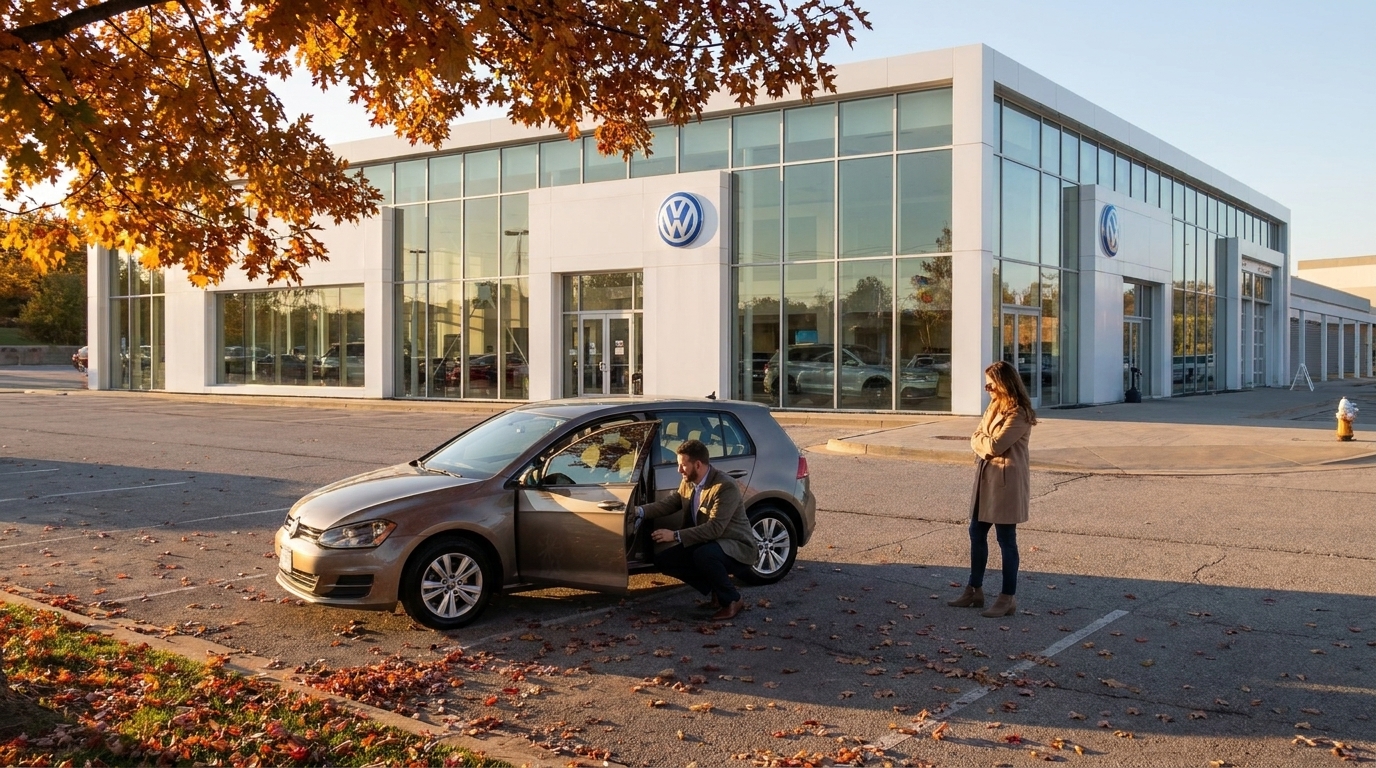
For a Volkswagen SUV lineup, the 2026 starting MSRPs anchor the conversation. the 2026 Volkswagen Taos, starting at $26,500 (as of October 2026) is the entry point into the brand's SUV range, the 2026 Volkswagen Tiguan, starting at $30,805 (as of November 2026) steps up to the compact category, the 2026 Volkswagen Atlas Cross Sport, starting at $38,300 (as of October 2026) opens the midsize two-row tier, and the 2026 Volkswagen Atlas, starting at $39,310 (as of November 2026) brings three rows. On the electric side, the 2026 Volkswagen ID.4, starting at $45,095 (as of October 2026) is the battery-electric crossover, and the 2026 Volkswagen ID. Buzz, starting at $59,995 (as of October 2026) sits at the top of the lineup as the all-electric three-row people mover. Volkswagen Lee's Summit stocks all of these models for shoppers crossing State Line Road from Overland Park.
Kansas vehicle transactions are subject to state and local sales or use tax, so the combined rate at your Overland Park address — not a flat statewide number — is what matters when you're sizing up the real check. Verify the combined rate with the Kansas Department of Revenue (Publication KS-1526) for your specific registration address before you sign.
Sample out-the-door math
| Line item | How it's calculated | Who sets it |
|---|---|---|
| Vehicle price | Negotiated transaction price | Dealer/buyer |
| Sales/use tax | 6.5% Kansas + local rate, applied to taxable price | Kansas Dept. of Revenue |
| Title fee | Flat state fee at registration | Kansas |
| Registration | Base fee by class/weight + county fees | Johnson County Treasurer |
| Vehicle property tax | Assessed value × local mill levy, annual | Johnson County |
How much is Kansas vehicle property tax and registration each year?
Kansas collects an annual vehicle personal property tax through county registration, plus a base registration fee that varies by vehicle class and weight. The property-tax portion is based on the SUV's assessed value, age, and the local mill levy, so a newer, higher-value SUV generates a larger annual bill than an older one — the base registration fee alone does not represent your full yearly cost.
Two planning implications matter for Overland Park SUV owners. A higher-priced electric crossover will carry a higher property-tax line than a lower-priced compact in year one, and the tax declines as the vehicle ages. Second, Kansas HB 2122 introduces higher annual fees for hybrid, plug-in hybrid, and all-electric vehicles effective January 1, 2026, per kslegislature.gov, which is now live for 2026 renewals and should be factored into any EV or hybrid cost comparison. Ask your county treasurer's office for an estimate on the specific VIN before you buy.
What should Overland Park drivers budget for fuel and seasonal costs?
Fuel is driven by annual miles, local pump prices, and the SUV's real-world economy — not by MSRP. A commuter covering long daily highway miles will spend materially more on fuel than someone making short local trips, regardless of which SUV they chose.
Seasonality matters here more than buyers expect. Overland Park winters bring cold snaps that reduce fuel economy on gas SUVs and cut usable range on EVs, while summer heat loads the air-conditioning system and tires. Gas stations across the Kansas City metro switch between winter and summer fuel blends, and road-treatment salt accelerates underbody and brake wear through January and February. All-wheel-drive trims — common on the Tiguan, Atlas, and ID.4 — add a small fuel-economy penalty in exchange for winter traction. Pull the EPA rating for the specific trim you're considering at fueleconomy.gov and multiply by your actual commute to get a defensible annual number.
How much does Volkswagen maintenance cost over time?
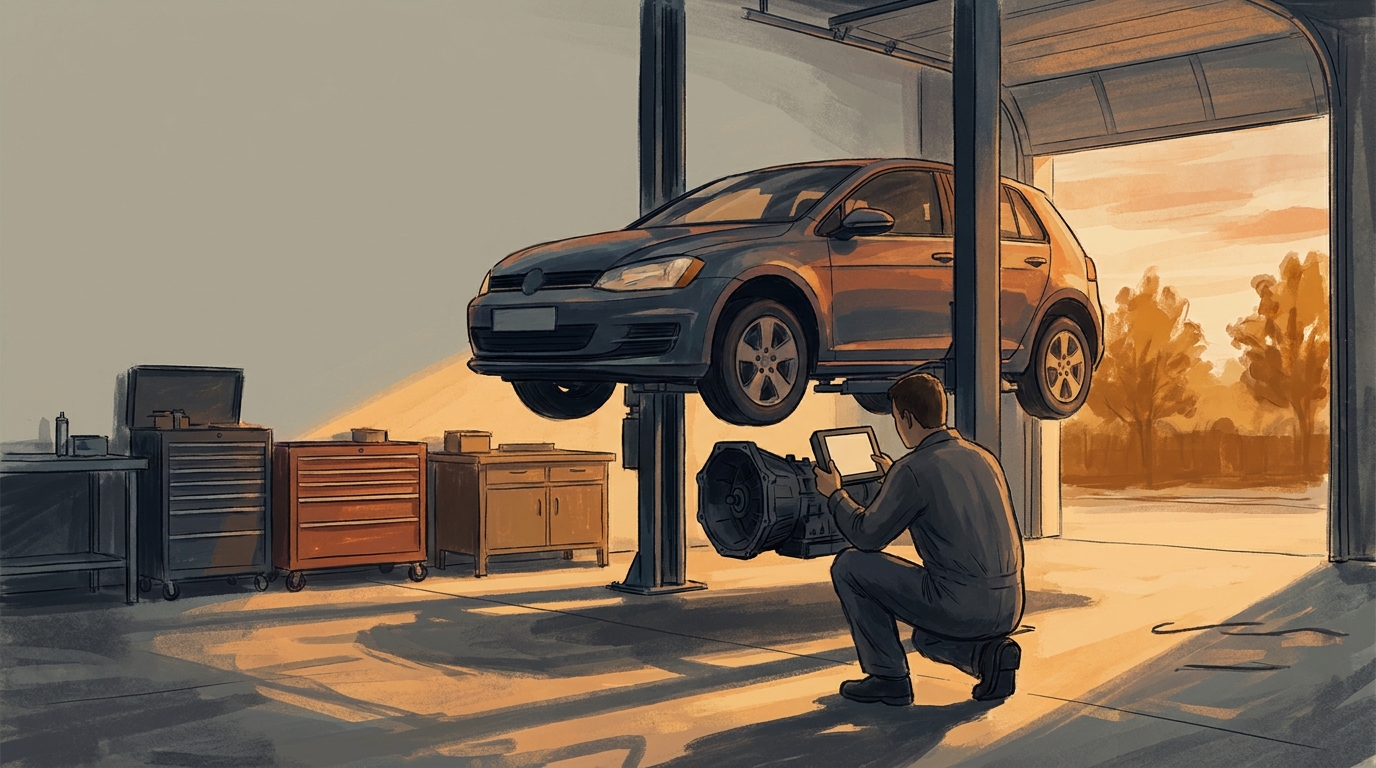
Routine Volkswagen maintenance for an SUV is dominated by scheduled service intervals — oil and filter changes, tire rotations, brake service, cabin and engine air filters, and eventually tires and a battery. Costs rise with vehicle size and wheel diameter: a three-row Atlas on larger wheels will see higher tire replacement costs than a Taos on smaller wheels, and all-wheel-drive models add a rear differential service to the interval list.
For owners in Overland Park, the service and parts departments at Volkswagen Lee's Summit carry genuine Volkswagen parts — filters, brakes, tires, batteries, belts, and fluids — which keeps factory-spec maintenance straightforward. The service department maintains weekday and Saturday hours, which fits around a typical work week. Used and certified pre-owned shoppers should budget separately for deferred maintenance from the prior owner, which is the single largest variable in used-SUV ownership cost.
What about insurance, financing, and depreciation?
Insurance premiums vary by driver profile, coverage selected, the specific SUV (a Golf R-adjacent performance derivative insures differently from a Taos), and insurer. Financing cost depends on amount borrowed, term, and rate — all individual to the buyer and the credit environment, not a fixed Overland Park number. Depreciation is the largest hidden cost on most new vehicles: the SUV loses value from day one, and that loss is baked into your total cost of ownership whether you track it or not.
Two practical levers reduce the depreciation hit. One is buying a certified pre-owned SUV, which lets the first owner absorb the steepest depreciation curve while you still get a manufacturer-backed warranty. The other is comparing total five-year cost — not monthly payment — across the vehicles on your short list.
Five-year cost drivers at a glance
| Cost line | Primary driver | Overland Park specifics |
|---|---|---|
| Sales/use tax | Transaction price × combined rate | 6.5% state + local rate at your address |
| Registration & property tax | Vehicle value, age, local mill levy | Collected annually by Johnson County |
| Fuel or electricity | Miles × economy × energy price | Winter blend and cold-weather EV range hit |
| Maintenance | Service intervals, tire/wheel size | Salt/pothole wear through winter |
| Insurance | Driver, vehicle, coverage | Quote per VIN, not per model |
| Depreciation | Age, mileage, condition at resale | CPO blunts year-one curve |
| EV/hybrid fee | Powertrain type | Higher annual KS fee as of Jan 1, 2026 (HB 2122) |
What Overland Park buyers say about the process
"Mi experiencia fue un excelente servicio. Kattya fue super atenta y amable. Ella te ayuda a encontrar tu carro ideal con base a tus necesidades y lo mejor, a un precio increible." — 5★ · yessenia, Feb 2026
Frequently asked questions
How is Kansas sales tax calculated on a new SUV?
Kansas vehicle transactions are subject to a 6.5% state sales or use tax plus the local sales-tax rate at the registration address. The combined rate is applied to the taxable price of the SUV. Verify the exact combined rate for your Overland Park address with the Kansas Department of Revenue's Publication KS-1526 before closing, because local rates vary across Johnson County.
What is Kansas vehicle property tax and when do I pay it?
Kansas collects an annual vehicle personal property tax through county registration. In Johnson County, the amount is based on the SUV's assessed value, its age, and the local mill levy, and it is billed with your annual registration renewal. Newer, higher-value SUVs carry a larger bill in the first years, and the amount declines as the vehicle ages.
Are EVs and hybrids more expensive to register in Kansas in 2026?
Yes. Higher annual fees for hybrid, plug-in hybrid, and all-electric vehicles in Kansas took effect January 1, 2026, per HB 2122 (kslegislature.gov). If you are comparing a 2026 Volkswagen ID.4 or a hybrid against a gas SUV, build that higher annual fee into your five-year ownership math alongside expected fuel or electricity savings.
How much does Volkswagen maintenance cost each year?
Annual Volkswagen maintenance cost depends on the model, mileage driven, and wheel and tire size. Core line items are oil and filter service, tire rotations, brake inspection, cabin and engine air filters, and periodic brake fluid and coolant service. Volkswagen Lee's Summit stocks genuine Volkswagen filters, brakes, tires, batteries, belts, and fluids, which keeps factory-spec service predictable; request a model-specific estimate for the trim you own.
Does buying certified pre-owned lower total ownership cost?
Often, yes. A certified pre-owned SUV typically lets the first owner absorb the steepest year-one depreciation while the buyer still gets a manufacturer-backed warranty and a multi-point inspection. The tradeoff is less remaining warranty and some prior wear. Compare five-year total cost — purchase, tax, registration, fuel, maintenance, insurance, expected resale — rather than monthly payment alone.
What registration steps apply if I buy an SUV outside Kansas?
A vehicle brought in with an out-of-state title may require a VIN inspection before Kansas title and registration, and Kansas use tax may apply to the transaction. Confirm current requirements with the Kansas Department of Revenue and the Johnson County motor-vehicle office before you register, because specifics depend on where and when the vehicle was purchased.
The bottom line for Overland Park SUV shoppers
The honest answer to what an SUV costs in Overland Park is: MSRP plus Kansas state and local tax, plus title, registration, and annual Johnson County property tax, plus the fuel, insurance, and maintenance your specific driving pattern dictates. Run the math on the specific VIN and your actual commute — not a national average — and the number you plan around will be close to the number you actually pay.
Readers in Overland Park who want to walk through those numbers on a specific SUV — new, used, or certified pre-owned — can reach Volkswagen Lee's Summit at (816) 841-7252 or https://www.vwleessummit.com for a model-specific quote and a property-tax estimate before they commit.