New vs Certified Pre-Owned: Complete Buyer's Guide for First-Time Car Shoppers in Lee's Summit
Comparing new vs certified pre-owned cars? Our 2026 buyer's guide breaks down costs, warranties, and value for first-time shoppers in Lee's Summit.

Buying your first car is one of the bigger financial decisions you'll make in your twenties — or at any age, really. And the question that trips up most first-time shoppers in Lee's Summit isn't which brand to buy. It's whether to go new or certified pre-owned (CPO). Both have real advantages, and the right answer depends on your budget, how long you plan to keep the vehicle, and how much risk you're comfortable carrying.
This guide walks through the tradeoffs honestly so you can decide with confidence.
What Does "Certified Pre-Owned" Actually Mean?
A certified pre-owned car isn't just a used car with a nicer label. CPO vehicles go through a manufacturer-backed inspection process — typically 100+ points covering the engine, transmission, brakes, electronics, and cosmetic condition — before they're allowed to wear the certified badge.
For Volkswagen specifically, CPO vehicles are usually six model years old or newer with under 75,000 miles, and they come with an extended limited warranty backed by Volkswagen of America, not just the dealership. That distinction matters: a manufacturer-backed warranty is honored at any authorized VW service center nationwide.
Regular used cars, by contrast, are sold as-is or with a short dealer warranty. The price reflects that — but so does the risk.
The Case for Buying New
A new car gives you the longest ownership runway and the fewest unknowns. Here's where new vehicles genuinely shine:
- Full factory warranty. You start the clock at zero miles with bumper-to-bumper coverage and powertrain protection.
- Latest technology. Driver-assist features, infotainment systems, and safety tech evolve quickly. A 2026 model includes safety standards that didn't exist on a 2026 build.
- Customization. You pick the color, trim, and options instead of hunting for a used unit that happens to match.
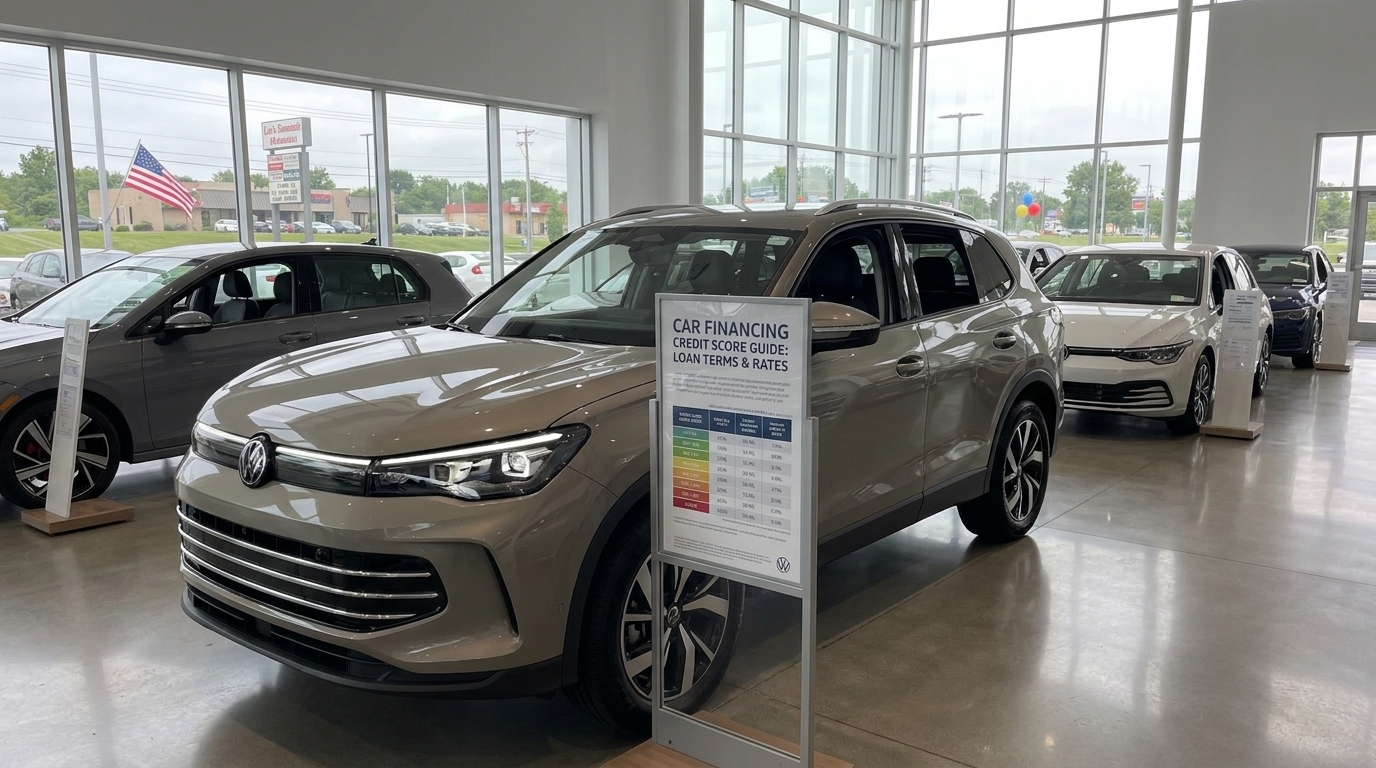
- Better financing rates. Manufacturer-subsidized APRs on new vehicles are often a full point or two below used-car rates, especially for buyers with strong credit.
- No history to worry about. No prior accidents, no questions about how the previous owner treated it.
The tradeoff is depreciation. New vehicles lose value fastest in the first two to three years of ownership. If you're the type of buyer who trades cars every few years, that depreciation curve can sting.
The Case for Certified Pre-Owned
CPO vehicles hit a sweet spot that's especially appealing for first-time buyers watching their budget. The biggest CPO vs new car benefits come down to value retention and lower entry cost.
- Someone else absorbed the steepest depreciation. A two- or three-year-old CPO vehicle can cost significantly less than its new equivalent while still feeling current.
- Manufacturer-backed warranty extension. Volkswagen's CPO program adds an additional limited warranty on top of any remaining factory coverage, which materially reduces repair-cost risk in years three through six of ownership.
- Lower insurance premiums. Insurers generally rate slightly older vehicles lower than brand-new ones with identical safety features.
- Inspection paper trail. A reputable CPO inspection, combined with a vehicle history report, gives you visibility you simply don't get on a private-party used car.
The honest tradeoff: financing rates on CPO cars are typically higher than new-car promotional rates, and your selection is limited to what's actually on the lot. You're shopping inventory, not building it.
How to Decide: Five Questions to Ask Yourself
1. How long do you plan to keep the car?
If you're buying a vehicle to drive for eight to ten years, new makes more sense — you'll amortize the depreciation hit across a long ownership window. If you expect to trade in three to five years, CPO usually wins on total cost.
2. What's your monthly budget — including insurance and fuel?
The sticker price is only part of the math. Insurance, registration, fuel, and maintenance all factor in. In Missouri, personal property tax on vehicles is assessed annually by the county, so a less expensive CPO vehicle can save you money every year you own it, not just at purchase.
3. How comfortable are you with risk?
A new car has the longest warranty protection. A CPO car shifts some risk back to you after the certified warranty ends. A standard used car shifts most of the risk to you immediately. Match the risk level to your financial cushion.
4. Do you commute on I-470 or 50 Highway every day?
High-mileage commuters around Lee's Summit and the broader Kansas City metro tend to put 15,000+ miles a year on a vehicle. If that's you, the warranty length matters more than it does for a low-mileage driver. New or CPO with a long warranty is usually the smarter call.
5. How important is having the latest tech?
If lane-keeping assist, adaptive cruise, and the newest infotainment matter to you, lean new. If those are nice-to-haves rather than must-haves, CPO opens up more value.
What First-Time Buyers Often Overlook
A few things that should be on your first car buying guide checklist but rarely are:
- Total cost of ownership, not just monthly payment. Stretching a loan to 84 months lowers the payment but increases what you pay overall and raises the chance of being underwater on the loan.
- Missouri sales tax timing. Missouri collects state and local sales tax at registration through the Department of Revenue, not at the dealership. Budget for that bill — it lands when you title the vehicle, typically within 30 days of purchase.
- Winter weather considerations. Lee's Summit winters bring ice storms and the occasional heavy snow. All-wheel drive or a vehicle with strong traction control isn't a luxury here — it's worth factoring into your shortlist.
- Annual safety and emissions inspection. Jackson County is part of the Gateway Vehicle Inspection Program area for emissions testing on certain vehicles. Check whether your prospective vehicle is subject to it before you buy.
How a Good Dealership Should Treat a First-Time Buyer
The certified pre-owned advantages we've outlined only matter if the dealership behind the certification is genuinely thorough and transparent. When you're shopping, look for:
- Clear documentation of the CPO inspection — not a generic checklist
- A vehicle history report provided up front, not on request
- Honest answers about remaining factory warranty months and miles
- No pressure to add unnecessary aftermarket products
- Willingness to let you take the car to your own mechanic for a second opinion on non-CPO used vehicles
Volkswagen Lee's Summit's 4.5-star rating across more than 5,000 Google reviews tends to reflect this approach — reviewers consistently mention transparency and a low-pressure process. As one recent reviewer put it, the experience felt "clean, smooth, and easy." That's the standard a first-time buyer should hold any dealership to.
Frequently Asked Questions
Is a certified pre-owned car worth the extra cost over a regular used car?
For most first-time buyers, yes. The manufacturer-backed warranty and inspection process typically justify the premium, especially on vehicles you plan to keep five years or more. The math gets closer on older or higher-mileage units.
Can I negotiate the price on a CPO vehicle?
Yes. CPO pricing is not fixed. The certification adds value, but the asking price still has room to move, particularly on units that have been on the lot longer.
Does Volkswagen's CPO warranty transfer if I sell the car?
The remaining CPO warranty generally transfers to a subsequent private-party buyer, which can help your resale value. Confirm the specifics with the dealership before purchase.
Should I get pre-approved for financing before shopping?
Almost always. Walking in with a pre-approval from your bank or credit union gives you a benchmark to compare dealer financing against, and it speeds up the paperwork considerably.
The Bottom Line
There's no universally right answer between new and certified pre-owned — there's only the right answer for your budget, timeline, and risk tolerance. New makes sense for buyers who keep cars a long time, want the latest features, and qualify for promotional financing. CPO makes sense for buyers who want most of the warranty protection at a meaningfully lower entry price.
First-time shoppers in Lee's Summit who want to walk through both options with someone who'll explain the tradeoffs honestly can reach the team at Volkswagen Lee's Summit at https://www.vwleessummit.com. Bringing a few questions from this guide is a good way to start the conversation.
"