How to Check If a Used Car Has Been in an Accident Before You Buy
Learn how to check if a used car has been in an accident before buying — VIN checks, paint clues, frame inspection tips, and Missouri disclosure rules.

You've found a used car that looks clean, drives smooth, and fits your budget. But before you sign anything, one question deserves a real answer: has this vehicle been in an accident? A repaired collision isn't automatically a dealbreaker — plenty of well-repaired cars go on to live long, trouble-free lives. What matters is knowing the truth before you own the problem. Here's a step-by-step guide to checking accident history on a used car, tailored for shoppers in the Kansas City, MO market.
Start With the VIN — But Don't Stop There
The 17-character Vehicle Identification Number is your first tool. It's stamped on the driver's-side dashboard where the windshield meets the cowl, on the driver's door jamb sticker, and on the title. Running a VIN check before buying a used car pulls records from insurance claims, state title databases, salvage auctions, and reported repairs.
Free options include the National Insurance Crime Bureau's VINCheck (which flags total-loss and theft records) and NHTSA's VIN lookup for open recalls. Paid reports from Carfax and AutoCheck aggregate more data — accident reports, service records, ownership history, and odometer readings.
Here's the catch: a clean VIN report doesn't guarantee a clean history. Minor accidents settled without insurance claims, or body shop repairs paid out of pocket, may never appear in any database. That's why the physical inspection matters just as much as the paperwork.
Read the Paint Like a Detective
Factory paint is applied under controlled conditions and has a uniform look across every panel. Repaired paint almost never matches perfectly. Walk around the car in bright, direct sunlight — not under fluorescent showroom lights — and look for these clues:
- Color mismatch between panels. Compare the front fender to the door, the door to the rear quarter panel. Even a subtle shift in shade or metallic sparkle is a repaint tell.
- Orange-peel texture differences. Factory paint has a consistent, fine texture. Refinished panels often look either too smooth or too dimpled.
- Overspray on trim, rubber seals, or plastic cladding. Check inside the door jambs, around the fuel filler door, and under the hood lip. Dust, tape lines, or paint on black rubber gaskets means panel work.
- Masking lines. Run your fingernail along the edge where a panel meets trim. A subtle ridge suggests a repaint that wasn't fully blended.
A magnetic paint-thickness gauge (available for under $30) makes this even easier. Factory paint typically reads between 4 and 7 mils. Anything over 10 mils suggests filler or multiple paint layers.
Inspect Panel Gaps and Body Alignment
Cars leave the factory with remarkably consistent panel gaps. After a collision repair, those gaps often shift. Look at:
- The gap between the hood and both front fenders — should be equal on both sides
- Door-to-fender and door-to-quarter-panel spacing
- Trunk or liftgate alignment with the rear quarter panels
- Headlight and taillight seating — one lens sitting slightly forward or askew is a red flag
Open and close every door, the hood, and the trunk. They should latch smoothly without needing to be slammed. Doors that sag or don't close cleanly can indicate frame or hinge damage.
Check the Frame and Structural Components
This is where hidden accident damage lives. Pop the hood and look at the strut towers, radiator support, and inner fender wells. Factory welds are uniform, spot-welded dots. Aftermarket repair welds look messier — beads, grinding marks, or fresh paint over sanded metal signal structural work.
Under the car, look for:
- Crumpled, kinked, or replaced frame rails
- Fresh undercoating that doesn't match the rest of the underbody (often used to hide repair welds)
- Bolts on fenders, bumpers, or subframe components with scratched or twisted paint — evidence they've been removed
- Mismatched hardware or missing clips
Pull back the carpet in the trunk and check the spare tire well for wrinkles, welds, or fresh sealant — a common site of hidden rear-impact damage.
Test Drive With Accident Damage in Mind
On the road, a well-repaired car should feel neutral and straight. Watch for:
- Pulling to one side on a flat, level road with hands lightly on the wheel
- Vibration through the steering wheel at highway speeds — a sign of frame or suspension misalignment
- Uneven tire wear when you inspect the tires afterward
- Airbag warning lights that flicker or stay on (deployed airbags may have been replaced with non-functional covers)
Kansas City's mix of freeway commuting on I-435 and I-70 plus rough winter pavement in neighborhoods like Waldo, Brookside, and the Northland means suspension and alignment issues surface quickly. A car that tracks poorly here will only get worse.
Know Missouri's Disclosure Rules
Missouri requires dealers and private sellers to disclose if a vehicle has been issued a salvage, prior salvage, or rebuilt title. Under state law, any vehicle damaged to the extent that repair costs exceed 80% of its fair market value must be titled as salvage. Once repaired and re-inspected, it receives a "prior salvage" or "rebuilt" brand that stays on the title permanently.
Always ask to see the physical title before purchase — not just a photocopy — and look for any brand notation. A branded title dramatically affects resale value and insurance options. Missouri doesn't currently mandate disclosure of unbranded accident history, so buyer diligence matters.
Get an Independent Pre-Purchase Inspection
For any private-party purchase and even some dealer purchases, spending $100 to $200 on a pre-purchase inspection from a trusted independent mechanic is the smartest money you can spend. They'll put the car on a lift, scan for stored diagnostic codes, and identify structural repairs a walk-around can miss.
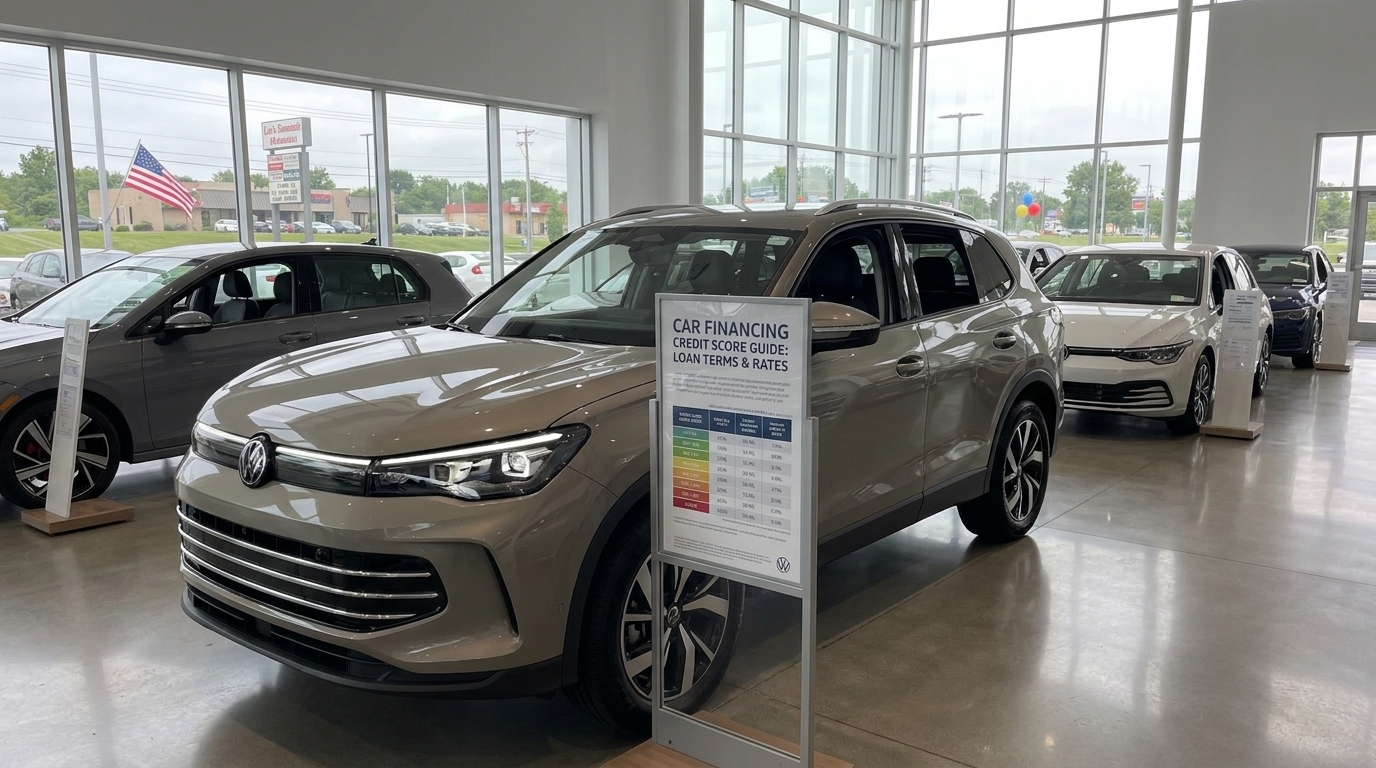
When shopping at a reputable Kansas City dealership, ask whether the used vehicle has been through a multi-point inspection and whether the reconditioning records are available. Volkswagen Lee's Summit, for example, works from a large used inventory and buyers frequently note the transparency of the process — one recent reviewer described the experience as "really transparent and straightforward." That kind of paper trail is exactly what you want when accident history is in question.
Frequently Asked Questions
Does a Carfax always show every accident?
No. Carfax and AutoCheck only capture incidents reported to insurance, police, or participating repair facilities. Cash repairs and unreported fender-benders can slip through. Combine a report with a physical inspection.
Should I avoid any car that's been in an accident?
Not necessarily. A properly repaired minor collision — a bumper replacement, a fender swap — often has zero impact on long-term reliability. Structural or frame damage is a different story and warrants extra caution or walking away.
How can I tell if the airbags were deployed and replaced?
Turn the key to "on" without starting the engine. The airbag warning light should illuminate briefly, then turn off. If it stays on, flickers, or never lights at all, the SRS system may have been tampered with. A shop scan tool can confirm.
What if the seller says "minor damage only"?
Ask for repair invoices and photos. If the seller can't produce documentation, treat the claim as unverified and inspect accordingly.
The Bottom Line
Checking whether a used car has been in an accident takes about 30 minutes of focused inspection plus a VIN report and, ideally, a mechanic's second opinion. The combination catches almost everything a database alone would miss. Shoppers in Kansas City, MO who want a used vehicle vetted by a dealership with a transparent reconditioning process can reach Volkswagen Lee's Summit at https://www.vwleessummit.com to review inventory and inspection records before scheduling a test drive.