New vs Used Car Buying Guide: Complete Decision Framework for Smart Car Buyers
A practical new vs used car buying guide for Lee's Summit drivers — covering depreciation, financing, total cost, and how to choose the right vehicle in 2026.
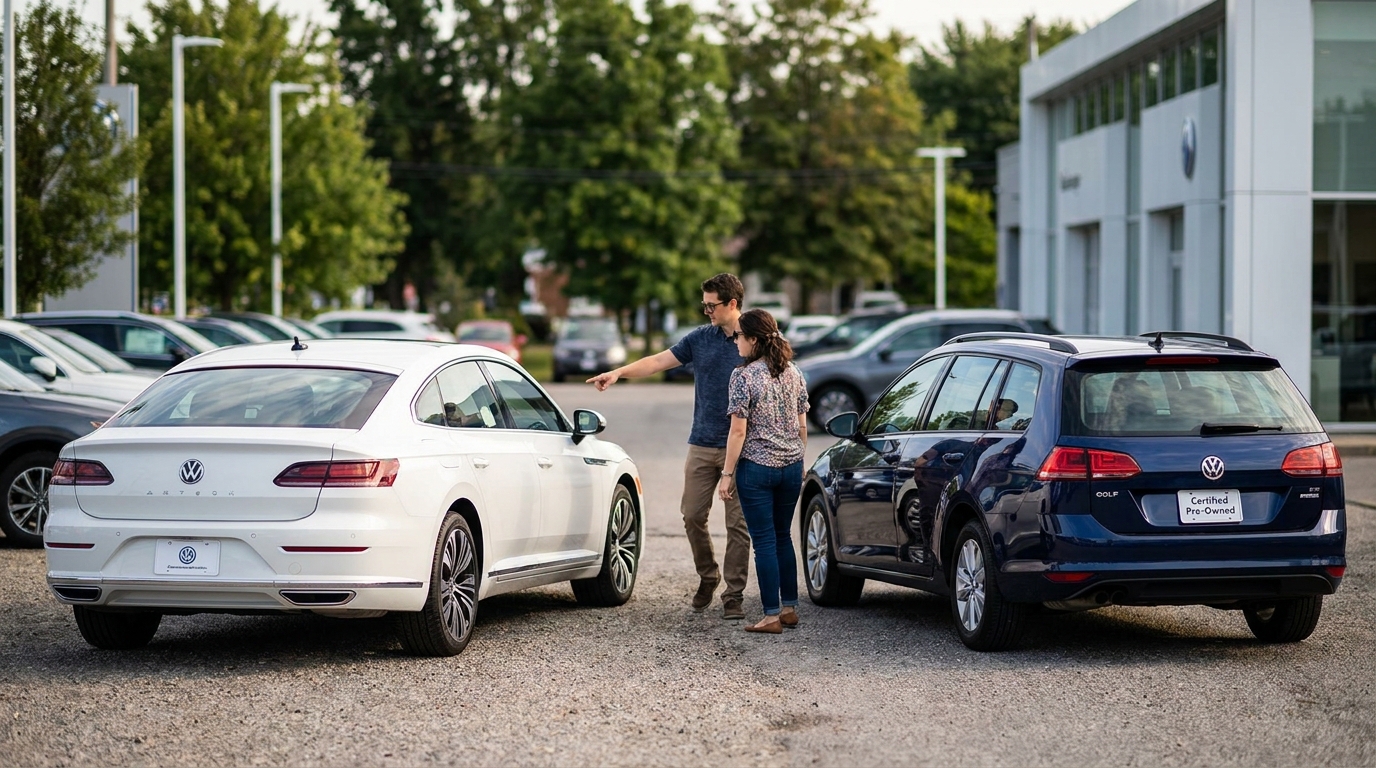
Standing in a dealership lot trying to decide between a brand-new model fresh off the truck and a three-year-old version of the same vehicle for thousands less is one of the most common — and most consequential — financial decisions a household makes. The right answer isn't universal. It depends on how you drive, how long you plan to keep the car, what financing looks like for you right now, and how you weigh the appeal of a factory warranty against the math of depreciation.
This guide walks through the decision framework we use with buyers at our Lee's Summit, MO showroom, so you can arrive at the lot already knowing which side of the new-versus-used question fits your situation.
The Core Tradeoff: Depreciation vs. Predictability
Every new vs used car decision comes down to a single tension. New vehicles offer the latest safety technology, full factory warranties, and a known maintenance history — but they lose value fastest in the first few years of ownership. Used vehicles let someone else absorb that initial depreciation, but you accept some unknowns in exchange.
Industry data consistently shows that a typical new vehicle sheds a meaningful portion of its value in the first year and continues to depreciate steeply through year three. After that, the depreciation curve flattens. This is why a lightly used vehicle — say, two to four years old — is often the strongest value play on paper.
But "strongest value on paper" isn't the same as "right for you." If you drive 25,000 miles a year, plan to keep the car for a decade, and want predictable maintenance costs, a new vehicle's warranty coverage may outweigh the depreciation hit. If you're commuting between Lee's Summit and downtown Kansas City and want to keep your monthly payment low, a Certified Pre-Owned model frequently wins.
When Buying New Makes Sense
A new vehicle is usually the right call when several of these conditions apply to you:
- You plan to keep the car 7+ years. Spreading depreciation across a longer ownership window blunts its impact.
- You want the latest driver-assist and safety technology. Adaptive cruise, lane-keeping, blind-spot monitoring, and updated crash structures have improved meaningfully in recent model years.
- You qualify for promotional financing. Manufacturer-subsidized APRs on new vehicles can swing the total-cost math significantly compared to standard used-car rates.
- You drive high annual mileage. A full factory powertrain warranty covering the early high-wear years has real value.
- You want exact configuration. Specific color, trim, package, and powertrain combinations are easier to order new than to find used.
Missouri winters add a practical consideration here. Salt and brine on I-470 and Highway 50 are tough on undercarriages, and a new vehicle with factory rust protection — plus the option to add additional treatment before that first winter — starts ownership on the strongest possible footing.
When Buying Used Makes Sense
Used is often the smarter purchase when:
- You're price-sensitive on monthly payment. A 2-3 year old vehicle with low miles can cost substantially less per month than its new equivalent.
- You change vehicles every 3-5 years. Buying used and selling used keeps you out of the steepest depreciation band entirely.
- You want more vehicle for the budget. A used premium trim often costs the same as a new base trim. Heated seats, larger wheels, and upgraded infotainment are easier to afford on the used side.
- You're buying for a teen driver or second household vehicle. Lower acquisition cost and lower insurance premiums both favor used.
Certified Pre-Owned (CPO) programs deserve special attention here. A manufacturer-backed CPO vehicle has been inspected against a multi-point checklist, comes with extended warranty coverage, and typically includes roadside assistance. For many buyers in the Lee's Summit area, CPO is the sweet spot — most of the depreciation has been absorbed, but most of the warranty protection of a new car remains.
Running the Total Cost of Ownership
Sticker price is the wrong number to compare. Total cost of ownership over your planned holding period is the right one. Build a simple side-by-side that includes:
- Purchase price (after any rebates, incentives, or negotiated discounts)
- Financing cost over the full loan term — interest rates differ meaningfully between new and used
- Insurance premiums — newer vehicles typically cost more to insure, but the gap varies by model
- Fuel over your expected annual mileage
- Maintenance and repairs — newer vehicles benefit from warranty coverage; older vehicles may need more out-of-pocket service
- Expected resale value at the end of your ownership period
When you complete this exercise honestly, the answer is sometimes counterintuitive. A new vehicle with 0% promotional financing and strong residual value can beat a used vehicle financed at standard rates. A used CPO model can beat a new one when the depreciation gap is wide enough to dwarf the warranty difference.
Auto Financing Options to Compare
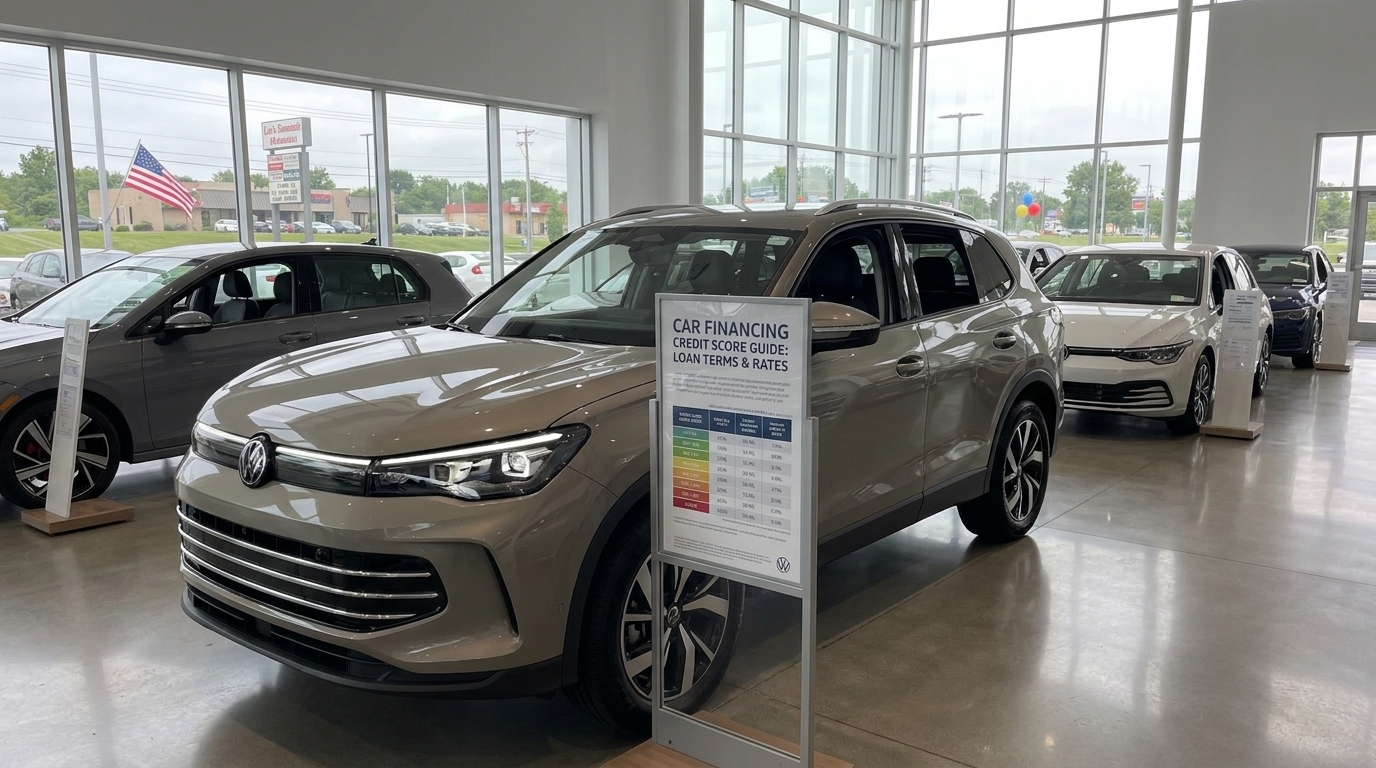
Financing is where many buyers leave money on the table. Before you sign anything, line up at least three options:
- Manufacturer captive financing — often the most competitive rate on new vehicles, especially with promotional offers
- Your bank or credit union — frequently the most competitive rate on used vehicles
- Dealer-arranged financing — dealers have relationships with multiple lenders and can sometimes find a better rate than you'd get on your own, particularly if your credit profile is complex
Bring a pre-approval to the conversation. Knowing your alternative rate gives you a real benchmark and turns the financing discussion into a straightforward comparison rather than a negotiation in the dark.
How to Evaluate the Dealership, Not Just the Vehicle
The vehicle matters, but so does where you buy it — particularly for used purchases, where inspection quality and reconditioning standards vary widely. When comparing dealerships in the Lee's Summit market, weigh:
- Inventory breadth across both new and used. A dealership that stocks both lets you cross-shop the same brand new and CPO without driving across town.
- Transparency on pricing and vehicle history. Clear out-the-door pricing, accessible vehicle history reports, and straightforward trade-in valuations are the markers of a dealer worth working with.
- Service department capability. You'll be back for maintenance. A well-staffed service operation matters more than most buyers realize at purchase time.
- Post-sale follow-through. The relationship doesn't end when you drive off the lot.
Volkswagen Lee's Summit's 4.5★ rating across more than 5,000 Google reviews reflects the kind of follow-through buyers should look for — one recent reviewer described the experience as "transparent and straightforward," which is the standard worth holding any dealership to.
Frequently Asked Questions
Is it better to buy new or used in 2026?
It depends on your holding period, annual mileage, and financing access. Buyers planning to keep the vehicle 7+ years or who qualify for promotional new-car APRs often come out ahead on new. Buyers focused on monthly payment, shorter ownership, or maximum feature content per dollar typically do better with a 2-4 year old used or Certified Pre-Owned vehicle.
How much does a new car actually depreciate?
A typical new vehicle loses a substantial portion of its value in year one and continues depreciating steeply through year three before the curve flattens. The exact percentage varies by brand, model, and demand — some models hold value notably better than others, which is worth researching for the specific vehicles on your shortlist.
Are Certified Pre-Owned vehicles worth the price premium?
For most buyers, yes. CPO vehicles cost more than equivalent non-certified used cars, but the manufacturer-backed inspection, extended warranty, and included benefits typically justify the difference — particularly on vehicles where out-of-warranty repairs can be expensive.
Should I finance through the dealer or my own bank?
Get pre-approved through your bank or credit union, then let the dealer try to beat that rate. Dealers have access to multiple lenders and sometimes win on rate; sometimes they don't. Having the alternative in hand is what gives you leverage either way.
Making the Decision
The new vs used question isn't really one decision — it's the output of several smaller ones about how long you'll own the car, how you'll finance it, and what tradeoffs matter most to you. Work through those questions first, and the new-or-used answer usually becomes obvious.
Buyers in Lee's Summit, MO who want to walk through the framework with a specific shortlist in hand can reach Volkswagen Lee's Summit at https://www.vwleessummit.com to compare new inventory against current Certified Pre-Owned options side by side. Bringing your pre-approval, your trade-in details, and a realistic sense of your ownership horizon will make that conversation productive.